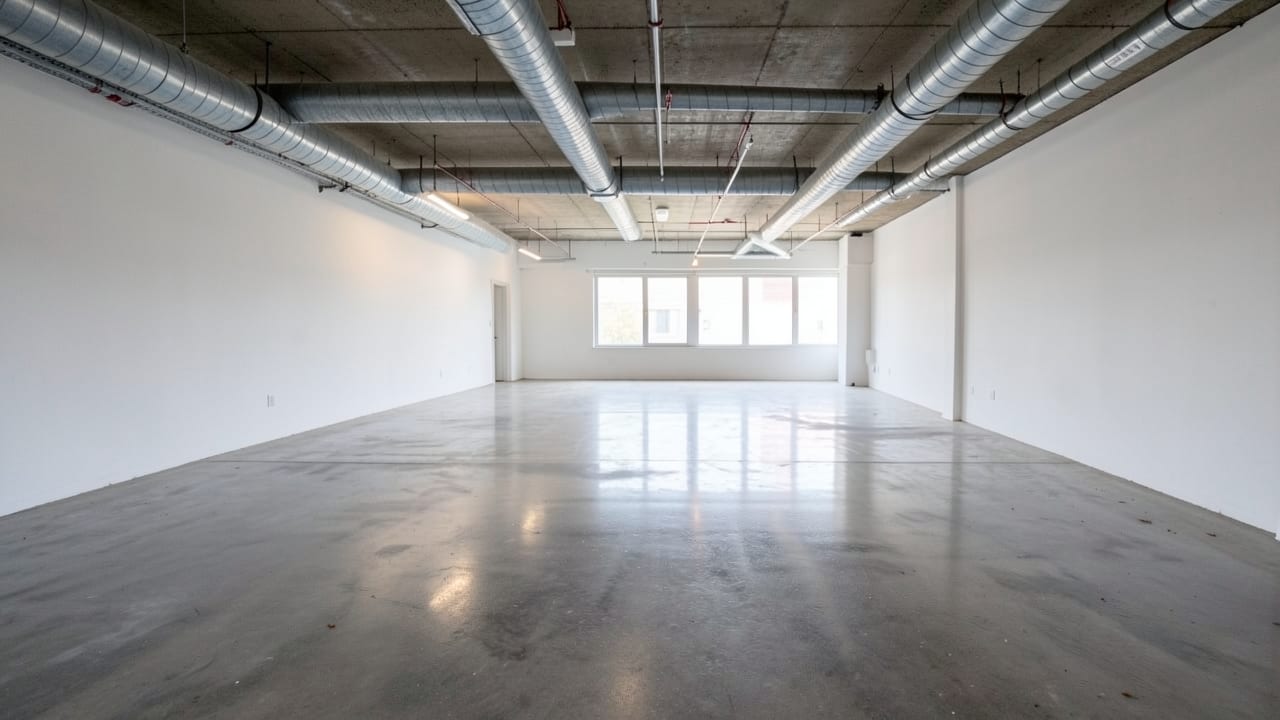
Commercial Mold Remediation
Commercial mold inspection and remediation in Milltown, NJ for offices, retail space, and multi-unit properties, scheduled around business operations.
Commercial mold remediation in Milltown, NJ, addresses large-scale mold issues in offices, retail spaces, and multi-unit buildings with tailored solutions. Scaled equipment and crews ensure minimal disruption while restoring safe, functional environments for businesses and tenants.
Why Commercial Properties in Milltown Need Specialized Mold Remediation
Larger HVAC systems, extensive plumbing runs, and less frequent oversight of areas like mechanical rooms and drop ceilings make commercial buildings in Milltown prime targets for undetected mold growth. These spaces often harbor moisture in hidden zones, allowing mold to spread quickly and affect air quality.
We also handle Mold Testing & Air Quality Testing and Mold Removal & Remediation for Milltown properties.
Unlike residential properties, commercial remediation requires a systematic approach—inspection, testing, containment, and removal—scaled to the building’s size and complexity. A thorough review of HVAC and plumbing systems is standard, as these are common moisture sources in large structures.
Signs Your Commercial Property May Need Mold Remediation
- Visible mold growth on walls, ceilings, or in HVAC ducts
- Musty odors in offices, storage areas, or restrooms
- Water stains or discoloration in drop ceilings or behind equipment
- Increased reports of allergies or respiratory issues among occupants
- Recent water damage from leaks, flooding, or plumbing failures
Minimizing Business Disruption During Remediation
We schedule work around your business hours or in phases to keep your property operational. Containment barriers isolate the affected area from tenant or customer spaces, ensuring safety and compliance.
For larger buildings, a phased approach means the entire property is never out of service at once. This allows tenants to continue operations while remediation progresses in designated zones.
| Factor | Impact on Scheduling & Cost |
|---|---|
| Square footage of affected area | Larger spaces require more time, equipment, and crew |
| Scope of contamination | Extensive mold growth increases labor and material needs |
| Scheduling requirements (after-hours/phased) | Non-standard hours or phased work may add to project costs |
| HVAC/plumbing system review | Additional inspection time may be needed for complex systems |
How Commercial Mold Remediation Works
Our process is designed to address mold at its source while keeping your business running.
- 1Inspection & Testing
A technician conducts a thorough inspection of the property, including HVAC and plumbing systems, to identify mold sources and affected areas. Air and surface samples may be collected for lab analysis.
- 2Containment & Preparation
Containment barriers are set up to isolate the work area, and negative air pressure systems prevent spores from spreading to clean zones. All necessary permits and notifications are handled.
- 3Removal & Cleaning
Moldy materials are safely removed and disposed of, while salvageable surfaces are cleaned with EPA-approved antimicrobial solutions. HVAC systems are cleaned or replaced if contaminated.
- 4Clearance & Documentation
A final inspection and clearance testing confirm the mold has been remediated. A written scope-of-work and clearance report is provided for your records, tenant communication, and liability protection.
Frequently Asked Questions
How long does commercial mold remediation take in Milltown?
Project duration varies based on the size of the affected area and the building’s complexity. Small, contained issues may take 1-3 days, while larger or phased projects can span several weeks. We provide a detailed timeline during the walkthrough.
Will my business need to close during remediation?
No. We use containment barriers and phase the work to keep your property operational. Tenants and customers can safely occupy unaffected areas while remediation takes place.
Do you provide documentation for tenants or insurance claims?
Yes. We supply a written scope-of-work and clearance report at project completion, which is essential for tenant communication, liability protection, and insurance purposes.
What affects the cost of commercial mold remediation?
Pricing is based on square footage, the scope of contamination, and scheduling requirements (e.g., after-hours or phased work). The need for HVAC or plumbing system reviews can also influence costs.
See Rutgers University-Livingston Campus, NJ for more, or discover the rest of our Milltown lineup by category for our complete lineup.
Ready to get started?
Talk to a local mold remediation pro in Milltown — get a written quote.
Other Mold Remediation Services in Milltown
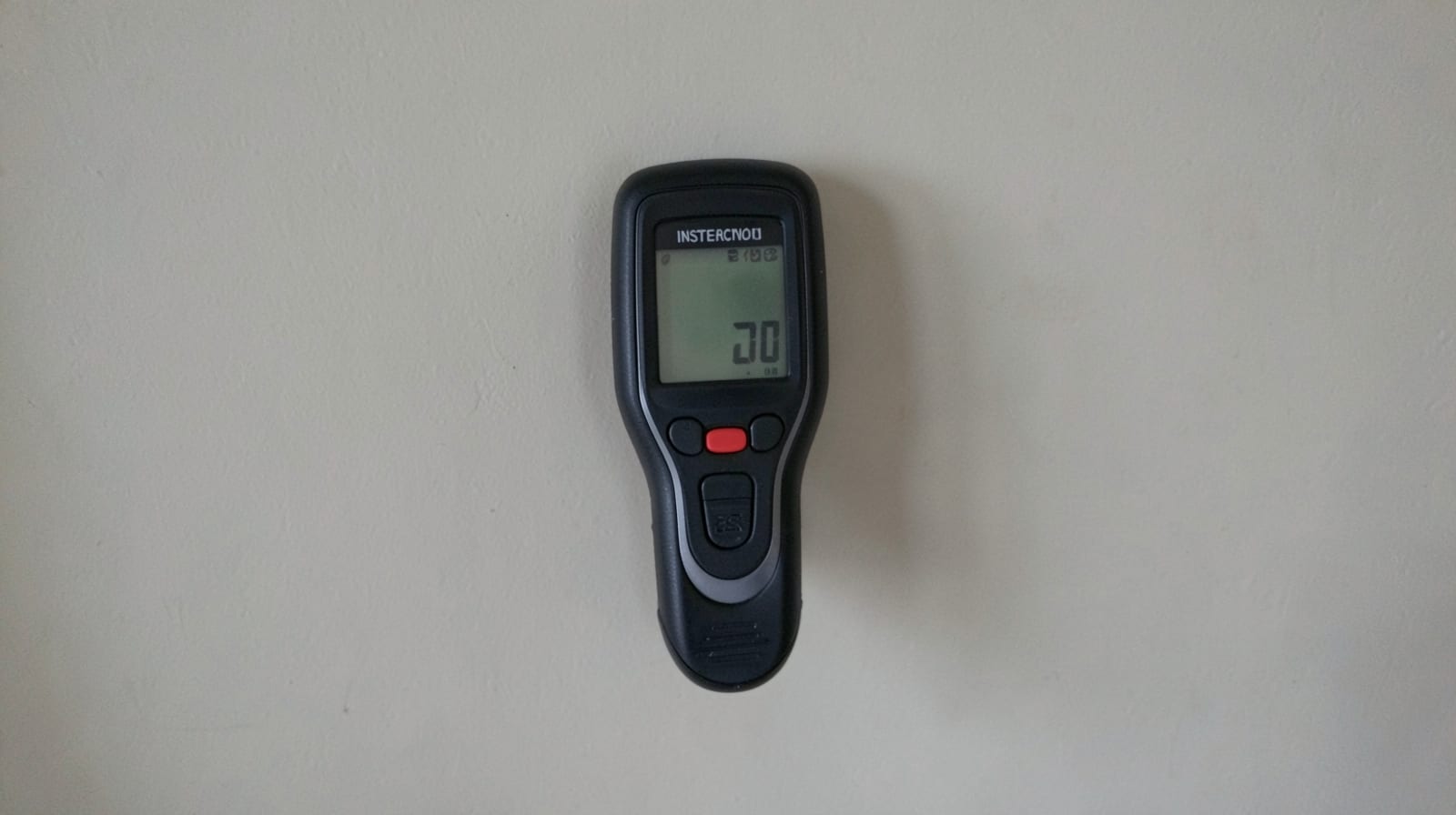
Mold Testing & Air Quality Testing in Milltown, NJ
Mold and indoor air quality testing in Milltown, NJ — lab-analyzed air and surface samples confirm what's actually growing and whether it's airborne.
Learn More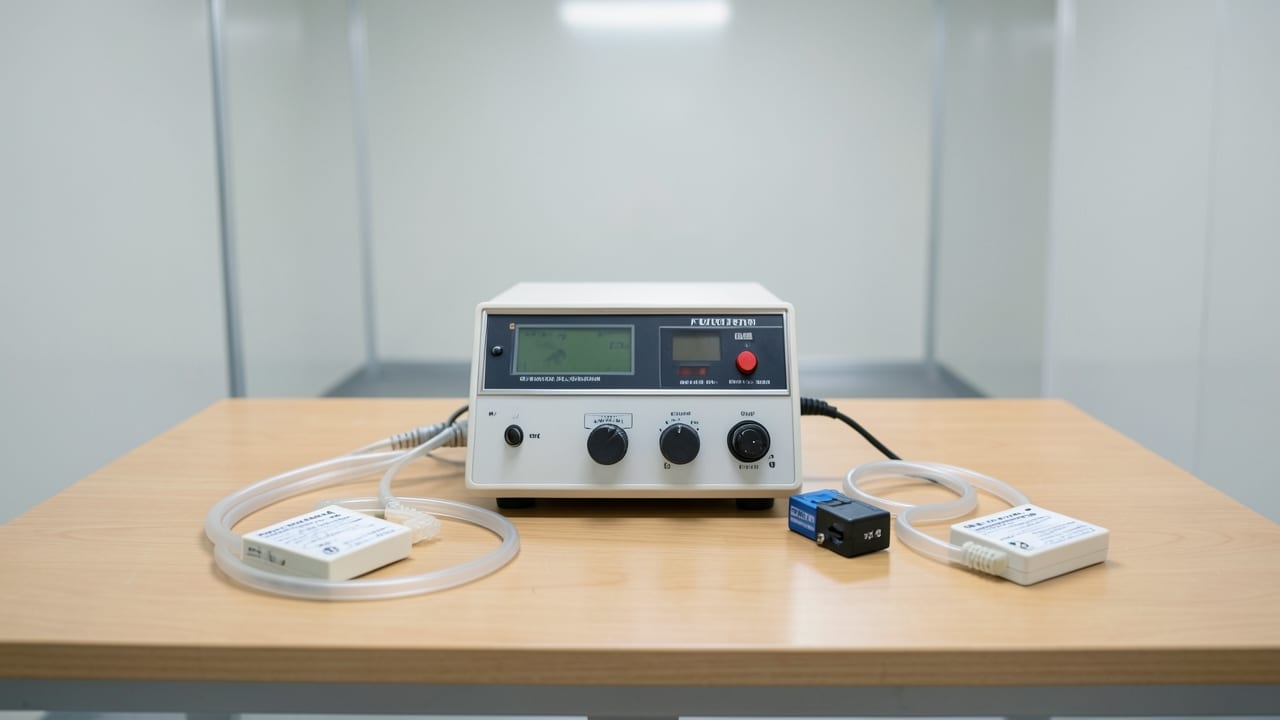
Mold Removal & Remediation in Milltown, NJ
Mold removal and remediation in Milltown, NJ — containment, HEPA filtration, and removal of affected material following industry (IICRC S520) protocol.
Learn More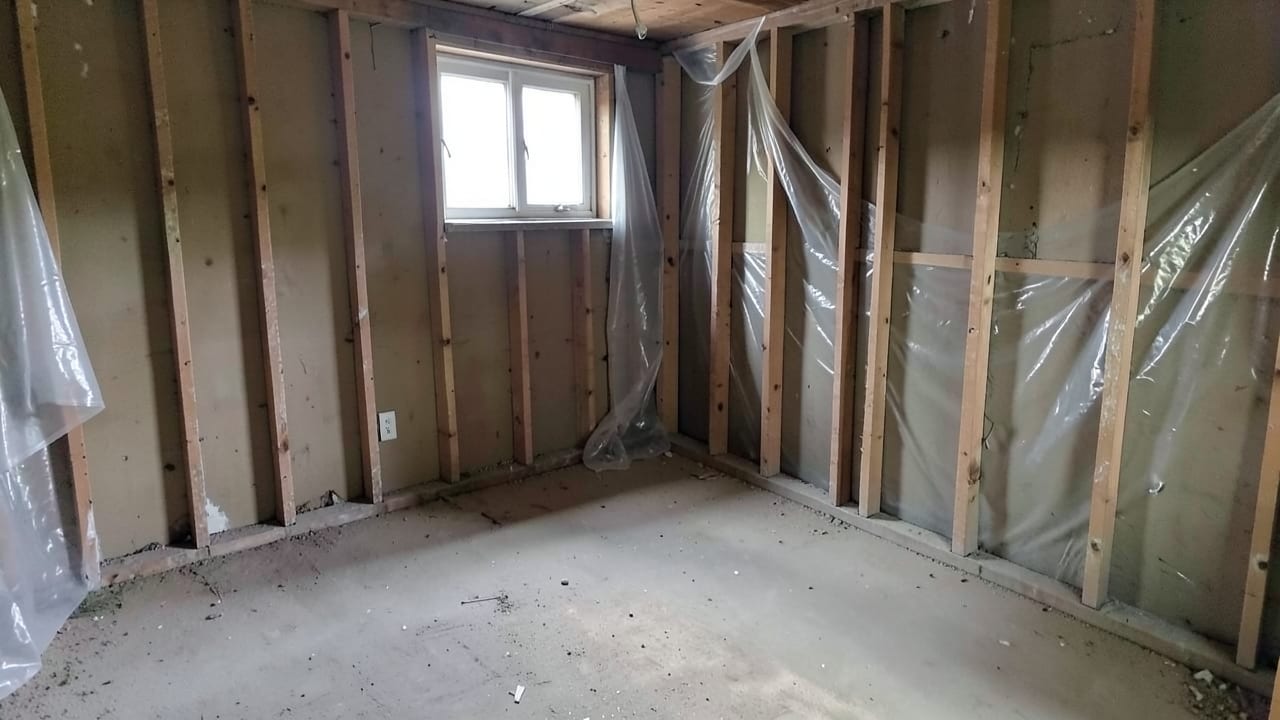
Water Damage Restoration in Milltown, NJ
Water damage restoration in Milltown, NJ — extraction and structural drying to stop mold growth before it starts, following a leak, storm, or flood.
Learn More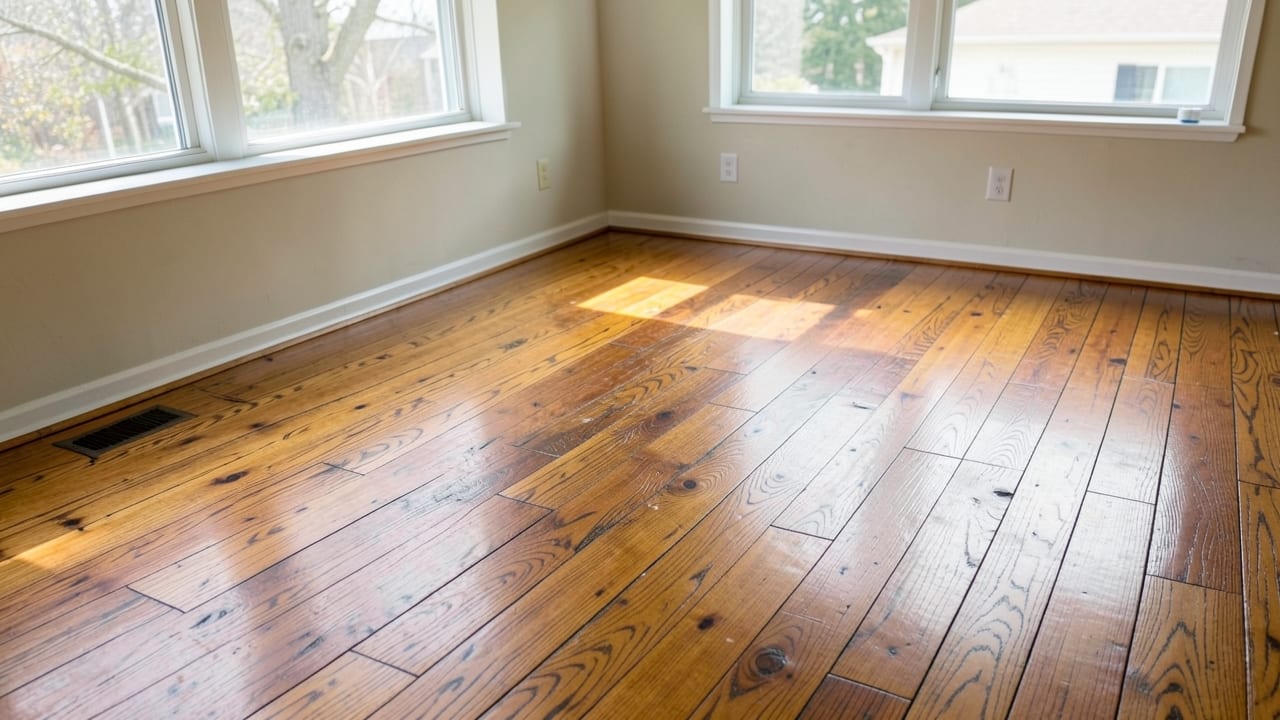
Crawl Space & Basement Mold Remediation in Milltown, NJ
Crawl space and basement mold remediation in Milltown, NJ addresses the two areas of a property most prone to trapped, unnoticed moisture.
Learn More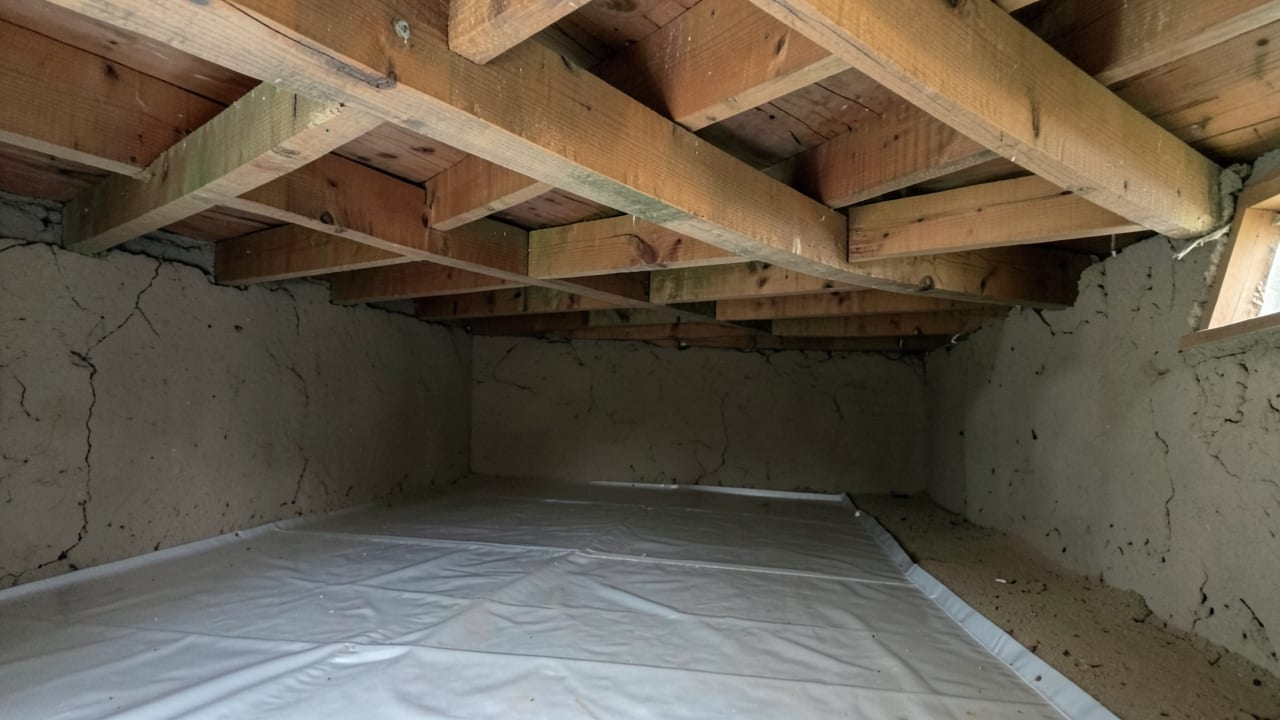
Attic Mold Remediation in Milltown, NJ
Attic mold remediation in Milltown, NJ addresses roof-deck growth typically caused by poor ventilation or a hidden roof leak.
Learn More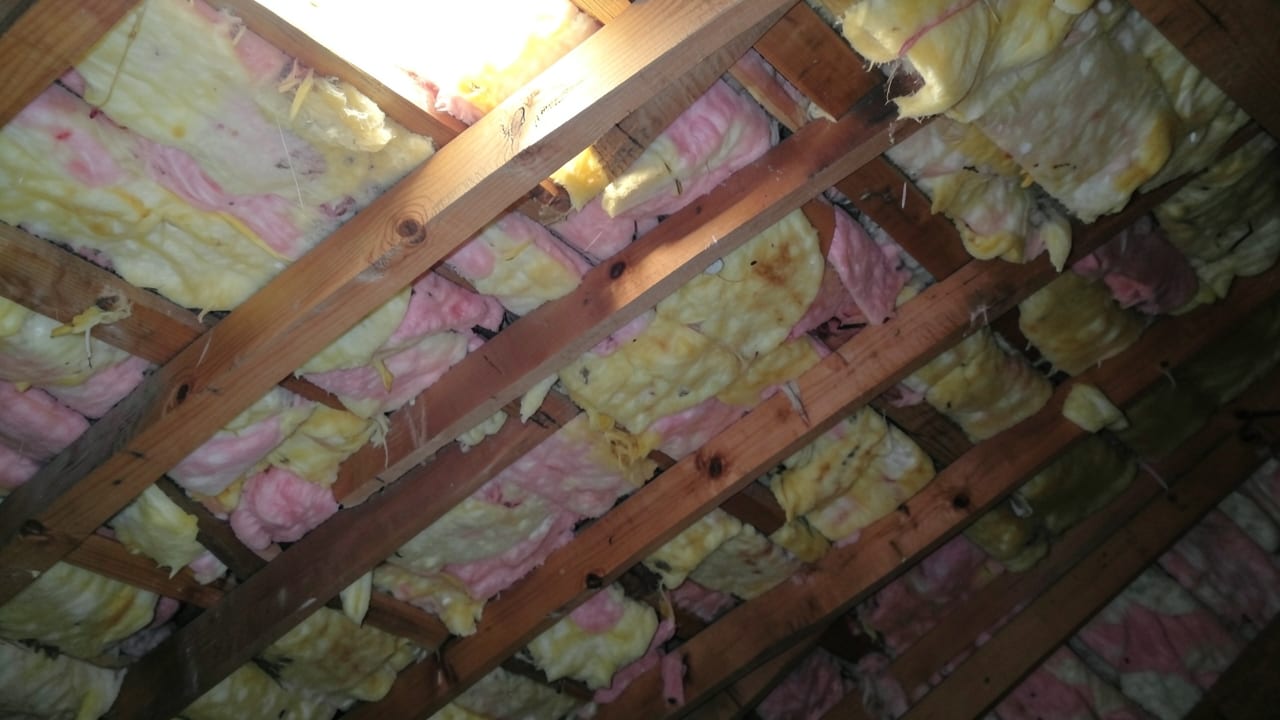
Mold Prevention & Moisture Control in Milltown, NJ
Mold prevention and moisture control in Milltown, NJ — addressing ventilation, humidity, and drainage before growth starts, not after.
Learn MoreCommon Questions About Mold Remediation in Milltown
Everything you need to know about mold remediation services in Milltown
How much does Commercial Mold Remediation typically cost in Milltown, NJ?
Why does Milltown, NJ's humidity make mold a bigger risk than in drier regions?
How does mold remediation actually prevent the problem from coming back?
Can mold growing inside HVAC ductwork spread to the rest of a home?
Does mold mean the same thing as mildew?
Does homeowners insurance typically cover mold remediation?
Need Mold Remediation in Milltown?
Connect with local providers in Milltown for a detailed quote.
⏰ We answer your call • Serving all of Milltown and surrounding areas