The Top 5 Mold-Prone Areas in Milltown Homes and How to Fix Them
Mold thrives in hidden, damp corners of your home, often unnoticed until it becomes a serious problem. In Milltown’s humid climate, certain areas are especially vulnerable—knowing where to look and how to act can save you from costly damage and health risks. Our team has seen it all, from crawl spaces in East Brunswick to attics in North Brunswick, and we’re here to share what works.
Why Milltown Homes Are Susceptible to Mold Growth
Central Jersey’s humid summers and wet springs create ideal conditions for mold. Poor ventilation, water intrusion, and organic materials like wood or drywall accelerate growth.
Older homes in areas like Helmetta or Spotswood often lack modern moisture barriers, making them even more prone to infestations. Even newer builds in Franklin Park or Kendall Park can suffer if water damage isn’t addressed quickly.
Mold can grow behind walls, under flooring, or inside HVAC systems. By the time you see it, the problem may already be widespread.
1. Basements and Crawl Spaces: The Most Common Culprits
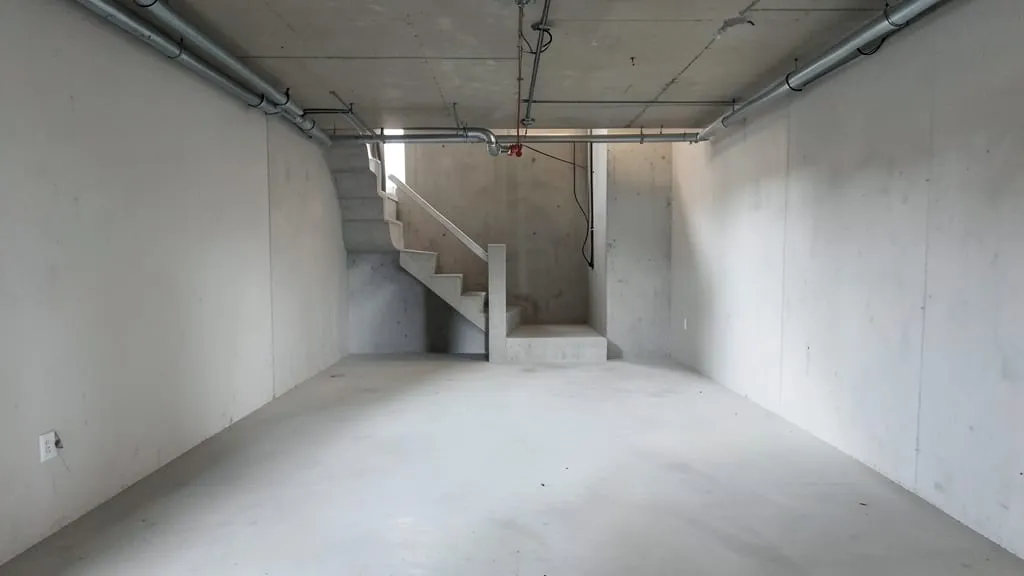
Basements and crawl spaces top the list for mold growth in Milltown. These areas are dark, often poorly ventilated, and prone to water seepage—especially after heavy rains or snowmelt.
Standing water, damp concrete, and wooden joists provide the perfect breeding ground. Without proper drainage or a vapor barrier, mold can spread to stored belongings and structural components.
We’ve handled severe cases in South River and Sayreville where neglected crawl spaces led to structural damage. Encapsulation and dehumidifiers are key to long-term prevention.
2. Attics: Where Poor Ventilation Meets Condensation
Attics are another hotspot, particularly in older homes. Inadequate ventilation traps moisture from daily activities, leading to condensation on rafters and sheathing.
Leaky roofs or improperly sealed vents—common in areas like East Brunswick or Old Bridge—exacerbate the problem. Once mold takes hold in insulation or wood, it can compromise your home’s energy efficiency and indoor air quality.
Regular inspections, especially after storms, can catch issues early. Attic mold remediation often requires removing contaminated insulation and improving airflow.
Install ridge vents and soffit vents to promote airflow. Ensure your attic is properly insulated to reduce condensation.
3. Bathrooms: High Humidity, Low Airflow
Bathrooms are mold magnets due to constant humidity from showers, baths, and sinks. Poor ventilation—common in smaller homes or older builds in Metuchen or Highland Park—accelerates growth on walls, ceilings, and grout.
Mold in bathrooms often appears as black spots on caulk or mildew on tiles. If left unchecked, it can spread behind walls or under flooring, requiring professional remediation.
Exhaust fans, dehumidifiers, and regular cleaning with antimicrobial solutions can keep mold at bay. For persistent issues, a deeper inspection may be needed.
4. HVAC Systems: Silent Spreaders of Mold Spores
Your HVAC system can distribute mold spores throughout your home if not properly maintained. Damp filters, condensation in ductwork, or moisture in air handlers create ideal conditions for growth.
This is a particular concern in larger homes or commercial spaces near Rutgers University campuses, where systems run frequently. Mold in HVAC systems can trigger allergies and respiratory issues.
Regular HVAC maintenance, including filter changes and duct inspections, is critical. If mold is detected, professional HVAC mold remediation is often necessary to clean and sanitize the system.
5. Kitchens: Hidden Moisture Behind the Scenes
Kitchens are another high-risk area due to water usage and poor ventilation. Leaks under sinks, behind refrigerators, or around dishwashers can go unnoticed for months.
In neighborhoods like Madison Park or Pleasant Plains, older plumbing can be a major contributor. Mold can grow on cabinetry, subflooring, or drywall, often hidden from view.
Promptly fixing leaks and using exhaust fans can prevent mold growth. For existing issues, professional mold removal and moisture control are essential.
Mold Remediation: DIY vs. Professional Services
While small, surface-level mold can sometimes be addressed with DIY methods, larger or hidden infestations require professional intervention. Improper removal can release spores into the air, worsening the problem.
Our team uses containment barriers, HEPA vacuums, and antimicrobial treatments to safely and effectively remediate mold. We also address the root cause—whether it’s water damage, poor ventilation, or high humidity—to prevent recurrence.
| Factor | DIY Approach | Professional Approach |
|---|---|---|
| Scope | Surface-level mold only | Hidden or widespread infestations |
| Safety | Risk of spore dispersal | Containment and air scrubbers used |
| Effectiveness | Temporary fix | Long-term solution with prevention |
| Cost | Low upfront | Higher upfront, but prevents costly damage |
| Equipment | Basic cleaning supplies | HEPA vacuums, antimicrobial treatments, moisture meters |
Preventing Mold: Proactive Steps for Milltown Homeowners
Prevention is the best defense against mold. Start by controlling humidity levels—aim for 30-50% indoors. Dehumidifiers are especially useful in basements and crawl spaces.
Regularly inspect your home for leaks, condensation, or musty odors. Pay special attention to areas prone to water intrusion, like basements, attics, and around windows.
Improving ventilation in bathrooms, kitchens, and laundry rooms can also reduce moisture buildup. For comprehensive protection, consider a professional mold inspection and air quality testing.
Mold Prevention Checklist
- Use dehumidifiers in damp areas like basements and crawl spaces
- Inspect roofs, gutters, and downspouts for leaks or blockages
- Ensure proper ventilation in bathrooms, kitchens, and laundry rooms
- Promptly repair any water damage or leaks
- Schedule regular HVAC maintenance and duct inspections
- Consider professional mold testing for peace of mind
How to Inspect Your Home for Mold
Early detection can save you from costly remediation and health issues.
- 1Check for Visible Signs
Look for black, green, or white spots on walls, ceilings, or floors. Pay attention to areas with water stains or discoloration.
- 2Follow Your Nose
Mold often has a musty, earthy odor. If you notice a persistent smell, investigate further—especially in hidden areas like behind furniture or under sinks.
- 3Inspect High-Risk Areas
Focus on basements, crawl spaces, attics, bathrooms, and kitchens. Use a flashlight to check dark corners, under sinks, and around pipes.
- 4Look for Water Damage
Water stains, warped wood, or peeling paint are red flags. These signs often indicate past or ongoing moisture issues that can lead to mold.
- 5Use a Moisture Meter
A moisture meter can help detect hidden moisture in walls, floors, or ceilings. High readings (above 20%) may indicate a mold risk.
- 6Call a Professional
If you find mold or suspect a hidden infestation, contact a professional for mold testing and remediation. DIY methods may not address the root cause.
Frequently Asked Questions
How quickly can mold grow in a damp area?
Mold can begin growing within 24-48 hours of water exposure. In Milltown’s humid climate, this timeline can be even shorter, especially in poorly ventilated spaces like basements or crawl spaces.
Can mold in my Milltown home affect my health?
Yes. Mold exposure can cause allergic reactions, respiratory issues, and other health problems—especially for those with asthma, allergies, or weakened immune systems. Black mold, in particular, can produce mycotoxins that pose serious risks.
What’s the difference between mold testing and mold inspection?
A mold inspection is a visual assessment of your property for signs of mold and moisture issues. Mold testing involves collecting air or surface samples to identify the type and concentration of mold spores. Both are often used together for a comprehensive evaluation.
Is mold remediation covered by homeowners insurance?
It depends on your policy and the cause of the mold. If the mold is a result of a covered peril, like a burst pipe, your insurance may cover remediation. However, mold due to neglect or poor maintenance is typically not covered. Always check with your provider.
How do I know if my HVAC system has mold?
Signs of mold in your HVAC system include a musty odor when the system is running, visible mold around vents or ductwork, or increased allergy symptoms indoors. A professional HVAC mold inspection can confirm the presence of mold and recommend remediation.
Can I stay in my home during mold remediation?
For small, contained remediation projects, you may be able to stay. However, for large or severe infestations—especially those involving toxic mold—it’s often safer to vacate the home temporarily. Our team will advise you based on the scope of the project.