Improve Airflow and Reduce Mold Risk in Your Milltown Home
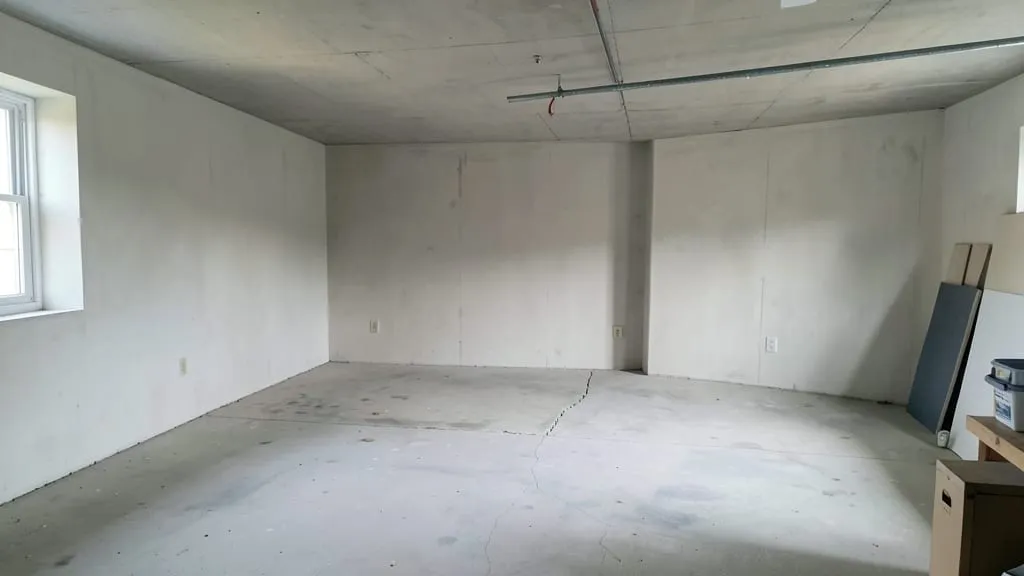
Poor airflow traps moisture, and in New Jersey’s humid climate, that’s an open invitation for mold. We’ve seen firsthand how small ventilation fixes can prevent big remediation headaches in Milltown homes and nearby areas like East Brunswick and Spotswood.
Why Airflow Matters in Mold Prevention
Mold thrives in stagnant, humid air. Without proper circulation, spores settle and colonize on walls, ceilings, and hidden spaces like crawl spaces or attics.
In our region, seasonal humidity spikes—especially in summer and during wet springs—accelerate growth. Basements in North Brunswick and Helmetta often suffer first.
Attics and crawl spaces can hit 70%+ humidity fast. Without airflow, mold can spread undetected for months.
Signs Your Home Has Poor Airflow and High Mold Risk
Musty odors are the most obvious red flag. If your home smells damp, especially after rain, airflow is likely insufficient.
Condensation on windows, peeling paint, or warped wood also signal trapped moisture. In older homes near Rutgers or Sayreville, these signs often appear in basements first.
Allergy-like symptoms—itchy eyes, sneezing—that worsen indoors can indicate elevated spore levels from poor ventilation.
Top Airflow Solutions to Lower Mold Risk
Install exhaust fans in bathrooms and kitchens. These should vent outside, not into attics—we’ve seen too many cases in Highland Park where improper venting caused attic mold.
Use dehumidifiers in basements and crawl spaces. Aim for 30-50% relative humidity; anything higher invites growth. Models with built-in hygrometers help maintain safe levels.
Open windows when weather permits, but rely on mechanical ventilation during humid NJ summers. Cross-ventilation is key in multi-story homes.
Quick Airflow Fixes
- Clean and inspect HVAC ducts annually
- Seal gaps around windows and doors to prevent moisture entry
- Ensure attic and crawl space vents are unobstructed
- Use ceiling fans to improve air circulation in living spaces
HVAC Systems: Your First Line of Defense
A well-maintained HVAC system circulates and filters air, reducing spore concentration. Replace filters every 1-3 months, especially in high-humidity months.
Consider upgrading to HEPA filters if mold or allergies are a concern. These capture particles as small as 0.3 microns, including many mold spores.
In commercial spaces or large homes in Franklin Park or Old Bridge, we often recommend dedicated air purifiers with UV-C light to neutralize airborne mold.
Leaky or dirty ducts can spread mold spores throughout your home. Professional duct cleaning is a smart preventative measure.
Crawl Spaces and Basements: High-Risk Zones
These areas are prone to moisture buildup due to poor airflow and direct contact with the ground. In Milltown and surrounding towns, crawl space encapsulation with a vapor barrier is a game-changer.
Add a small dehumidifier or vent fan to keep air moving. In extreme cases, we’ve installed sump pumps in basements near the Raritan River to manage groundwater seepage.
Avoid storing cardboard or fabric items directly on concrete floors. Use plastic bins with lids to limit moisture absorption.
Attic Ventilation: Often Overlooked
Attics trap heat and moisture, creating ideal conditions for mold. Ridge vents, soffit vents, and gable vents work together to expel hot, humid air.
In older homes, especially in areas like Metuchen or South River, we frequently find blocked vents or insufficient insulation, leading to condensation and mold on sheathing.
Solar-powered attic fans can boost airflow without adding to your electric bill. These are particularly effective in NJ’s long, sunny summers.
| Type | Function | Best For |
|---|---|---|
| Ridge Vents | Exhaust hot air along the roof peak | Most residential homes |
| Soffit Vents | Allow fresh air intake at the eaves | Homes with overhangs |
| Gable Vents | Provide cross-ventilation at the gable ends | Smaller attics or garages |
| Solar Attic Fans | Actively pull hot air out using solar power | Homes with high heat buildup |
When to Call a Professional for Mold Remediation
If you see visible mold, smell a persistent musty odor, or experience health symptoms, it’s time for a professional mold inspection. We use thermal imaging and moisture meters to detect hidden issues.
DIY solutions like bleach only address surface mold. For colonies in drywall, insulation, or HVAC systems, professional remediation is necessary to prevent recurrence.
In commercial properties or large residential spaces in Somerset or Voorhees, we often perform air quality testing to assess spore levels before and after remediation.
Long-Term Mold Prevention Strategies
Regular maintenance is key. Inspect roofs, gutters, and downspouts annually to prevent water intrusion. Clogged gutters are a common culprit in Jamesburg and Kendall Park.
Grade the soil around your home to slope away from the foundation. This simple step prevents water pooling near basements, a frequent issue in flood-prone areas.
Consider a whole-house dehumidifier for larger homes or properties with chronic moisture issues. These systems integrate with your HVAC to maintain consistent humidity levels.
How to Test for Hidden Mold in Your Home
Early detection can save you from costly remediation.
- 1Visual Inspection
Check common hotspots: basements, attics, under sinks, and around windows. Look for discoloration, water stains, or peeling materials.
- 2Use a Moisture Meter
These affordable tools measure moisture levels in walls, floors, and ceilings. Readings above 15-20% indicate a potential problem.
- 3DIY Mold Test Kits
Available at hardware stores, these kits collect samples you send to a lab. They’re useful for initial screening but less precise than professional testing.
- 4Monitor Humidity
Place hygrometers in different rooms. Consistently high readings (above 60%) suggest poor airflow or water intrusion.
- 5Check for Musty Odors
Sniff test areas with poor ventilation. Musty smells often indicate hidden mold, even if you can’t see it.
- 6Professional Inspection
If you suspect mold but can’t locate it, schedule a professional mold inspection. We use advanced tools to detect hidden colonies.
Frequently Asked Questions
How often should I run my dehumidifier in Milltown’s climate?
In summer, run it continuously in basements and crawl spaces. In spring and fall, use it as needed to maintain 30-50% humidity. Monitor levels with a hygrometer.
Can improving airflow really prevent mold, or is it just a temporary fix?
Improving airflow is a long-term solution, but it must be paired with moisture control. Proper ventilation, dehumidifiers, and fixing leaks create an environment where mold can’t thrive.
What’s the difference between mold testing and mold inspection?
Mold inspection involves a visual and technical assessment of your home to identify mold and moisture sources. Mold testing collects samples (air, surface, or bulk) to determine spore types and concentrations.
Are there specific areas in Central NJ more prone to mold due to airflow issues?
Yes. Older homes in New Brunswick, East Brunswick, and Helmetta often have poor ventilation in basements and attics. Properties near waterways, like those in South River or Sayreville, are also at higher risk due to elevated humidity.
Does homeowners insurance cover mold remediation?
It depends on the cause. Most policies cover mold damage resulting from a covered peril, like a burst pipe. However, mold due to neglect or poor maintenance is typically excluded. Always check your policy and document the source.
How do I know if my HVAC system is contributing to mold growth?
Signs include musty smells when the system runs, visible mold on vents or ductwork, or unexplained allergy symptoms. If you suspect HVAC mold, turn off the system and request a professional HVAC mold remediation assessment.