From Remediation to Verification: The Full Mold Remediation Process for Milltown Homeowners
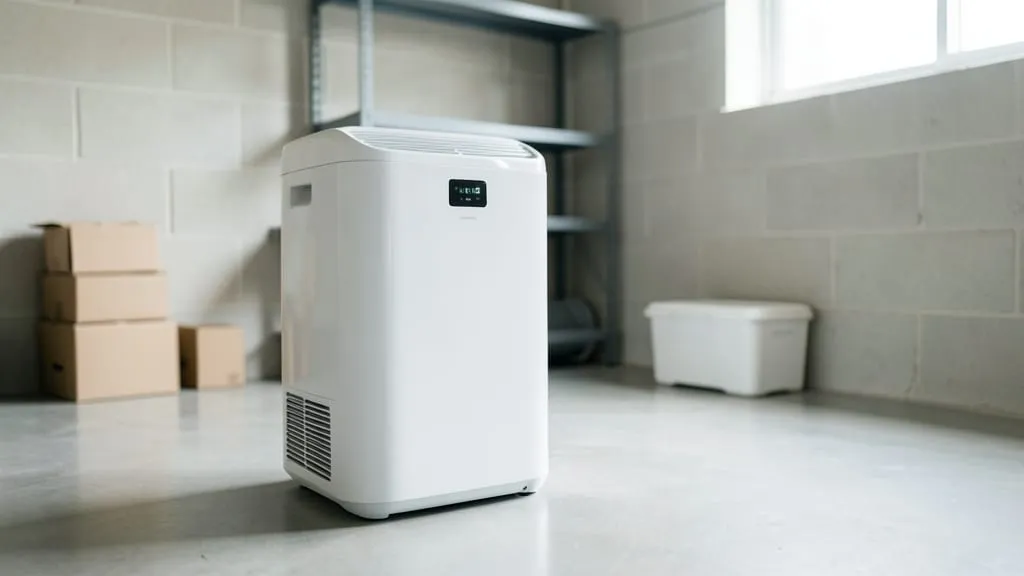
Mold doesn’t just vanish after a quick wipe-down. In Milltown’s humid climate, it often hides in basements, attics, and crawl spaces, waiting to return. Our team follows a meticulous, science-backed process to ensure mold is fully removed—and stays gone—with verification to prove it.
Why Milltown’s Climate Demands a Rigorous Mold Remediation Process
Central New Jersey’s high humidity, especially in summer, creates ideal conditions for mold growth. Basements in East Brunswick or crawl spaces in Spotswood often trap moisture, accelerating infestations.
Even minor water damage from storms or plumbing leaks in North Brunswick or Helmetta can lead to hidden mold behind walls or under flooring. Without proper remediation, spores spread via HVAC systems, affecting indoor air quality.
Step 1: Professional Mold Inspection and Testing
We start with a thorough mold inspection using moisture meters, thermal imaging, and borescopes to detect hidden growth in walls, ceilings, or ductwork. This step is critical for attics in Highland Park or basements in South River.
Air quality testing and surface sampling identify mold types (e.g., Aspergillus, Stachybotrys) and spore counts. These results guide our remediation plan and ensure we address the root cause, not just the visible mold.
DIY mold tests often miss hidden colonies. Professional testing ensures accurate identification and a targeted remediation strategy.
Step 2: Containment and Air Filtration
To prevent spores from spreading during removal, we set up containment barriers with plastic sheeting and negative air pressure. This is especially important in multi-level homes near Rutgers University or commercial spaces in New Brunswick.
HEPA air scrubbers run continuously to capture airborne spores. Without containment, mold can contaminate clean areas, prolonging the problem and increasing remediation costs.
Step 3: Mold Removal and Antimicrobial Treatment
Non-porous surfaces (e.g., tile, glass) are cleaned with antimicrobial solutions. Porous materials like drywall or insulation in Franklin Park or Sayreville homes often require removal and replacement if heavily infested.
We use EPA-approved fungicides to treat affected areas, ensuring spores are killed at the source. This step is tailored to the mold type and severity, whether it’s in a crawl space in Old Bridge or an attic in East Franklin.
| Surface Type | Remediation Method | Notes |
|---|---|---|
| Non-porous (tile, metal, glass) | HEPA vacuuming + antimicrobial cleaning | Effective for surface mold; no replacement needed |
| Semi-porous (wood, concrete) | Sandblasting or wire brushing + sealant | May require encapsulation if mold penetrates deeply |
| Porous (drywall, insulation, carpet) | Removal and replacement | Cannot be fully cleaned; must be discarded |
| HVAC systems | Duct cleaning + antimicrobial fogging | Prevents spore recirculation in homes near Clyde or Kendall Park |
Step 4: Drying and Moisture Control
Mold thrives in damp environments. After removal, we use industrial dehumidifiers and fans to dry the area thoroughly. This is critical in flood-prone areas like Keasbey or Six Mile Run.
We also address the moisture source—whether it’s a leaky pipe in Metuchen, poor ventilation in a Voorhees attic, or groundwater seepage in a crawl space. Without fixing the root cause, mold will return.
Skipping moisture control guarantees recurrence. Always pair remediation with repairs to leaks, condensation, or poor drainage.
Step 5: Post-Remediation Verification (Clearance Testing)
Verification is the only way to confirm remediation success. We conduct clearance testing, including air and surface samples, to ensure spore levels are within safe limits (per IICRC S520 standards).
This step is non-negotiable for commercial properties in Somerset or large residential projects in East Millstone. It provides documentation that the space is safe for reoccupation.
How Long Does Mold Remediation Take in Milltown?
Timelines vary based on the infestation size, mold type, and affected areas. A small bathroom mold issue in Madison Park may take 1–2 days, while a full basement or attic remediation in Forsgate could span a week.
Drying time and verification testing add to the schedule. Rush jobs often miss critical steps, leading to callbacks. We prioritize thoroughness over speed.
When to Consider Additional Services
Mold often accompanies water damage. If your home in Dayton or Middlebush has suffered flooding or leaks, water damage restoration should precede remediation to prevent future growth.
For older homes in Pleasant Plains or Franklin Center, asbestos testing may be needed before disturbing materials. Commercial properties near Rutgers or in Old Bridge often require HVAC mold remediation to protect occupants.
Signs You Need More Than Just Mold Remediation
- Visible water stains or warped flooring
- Musty odors persisting after cleaning
- Recurring mold in the same area
- Peeling paint or bubbling wallpaper
- High humidity levels (>60%) indoors
How to Prepare for Mold Remediation in Your Home
Proper preparation ensures a smooth, efficient remediation process.
- 1Clear the Affected Area
Remove furniture, decor, and personal items from the work zone. This allows full access to walls, floors, and ceilings.
- 2Turn Off HVAC Systems
Prevent spores from spreading through vents. This is especially critical in homes with central air in areas like East Brunswick.
- 3Seal Off the Area
Use plastic sheeting to cover doorways or openings if containment isn’t set up yet. Avoid entering the space once work begins.
- 4Protect Belongings
Seal non-removable items (e.g., electronics, books) in plastic bags. Mold spores can settle on surfaces and reignite growth.
- 5Plan for Temporary Relocation
For large or severe infestations, especially in basements or attics, consider staying elsewhere during remediation to avoid exposure.
Frequently Asked Questions
How do I know if mold remediation in my Milltown home was successful?
Success is confirmed through post-remediation verification (clearance testing). This involves air and surface sampling to ensure spore levels are within safe, normal ranges. Visual inspection alone isn’t enough—microscopic spores can linger.
Is mold remediation covered by homeowners insurance in New Jersey?
Coverage depends on your policy and the mold’s cause. If mold results from a covered peril (e.g., a burst pipe), insurance may pay for remediation. However, mold due to neglect or high humidity is often excluded. Always check with your provider.
Can I stay in my home during mold remediation?
For small, contained projects (e.g., a bathroom), you may stay if the area is properly sealed off. For large or severe infestations—especially in basements, attics, or HVAC systems—we recommend temporary relocation to avoid exposure to spores and chemicals.
What’s the difference between mold removal and mold remediation?
Mold removal refers to physically eliminating mold from surfaces. Remediation is a comprehensive process that includes removal, cleaning, moisture control, and verification to prevent recurrence. True remediation addresses the root cause, not just the symptoms.
Do you handle mold in crawl spaces or basements near Milltown?
Yes. Crawl spaces in Spotswood or basements in North Brunswick are common hotspots for mold due to poor ventilation and moisture buildup. We specialize in these areas, using containment and drying techniques tailored to confined, damp spaces.
How often should I test for mold after remediation?
We recommend retesting 3–6 months after remediation, especially if your home has a history of moisture issues. Annual air quality testing is wise for properties in humid areas like Helmetta or near the Raritan River.